Adobe has rolled out significant updates to its Firefly and Creative Cloud ecosystem, introducing dedicated tools for generative audio and video timeline assembly while updating how credit tiers and content transparency metadata apply across its applications. On August 19, 2026, Adobe released general availability for its commercially safe AI audio generation tools—including Generate Music, Generate Speech, and Generate Sound Effects—and launched a unified Beta workspace inside Adobe Firefly to generate, edit, and assemble video timelines directly alongside images according to Adobe Firefly’s documentation. For digital creators, video editors, and production teams, these updates streamline multi-modal asset creation into a single timeline. However, they also introduce updated credit structures, strict rules regarding promotional offers, and mandatory transparency metadata. Navigating these changes requires a clear understanding of official platform policies, credit consumption mechanics, and integrated workflow limitations.
The Unified Firefly Workspace and Audio Generation Suite
The August 19, 2026 release marked the general availability of Adobe’s native AI audio generation suite, providing creators with specialized tools to create synthetic speech, ambient sound effects, and musical tracks directly within the Firefly ecosystem. As detailed in Adobe’s feature documentation, the unified Beta workspace brings video timeline editing directly alongside generative image capabilities, allowing users to assemble media assets without leaving the Firefly interface.
To support high-volume creative operations, the workspace release also introduced enterprise batch production capabilities. According to Adobe Firefly’s official workspace notes, the enterprise batch production interface is capable of running automated video and asset workflows for up to 500 input assets simultaneously. This automation allows production teams to process high volumes of visual assets through unified generation pipelines.
Multi-Model Partner Integration
Beyond native video and image models, Adobe’s creative studio ecosystem incorporates third-party generative options. According to an industry report published by Campaign Middle East, Firefly integrates over 30 industry-leading models from partner providers—including Google, ElevenLabs, Kling AI, Luma AI, OpenAI, and Runway—alongside Adobe’s native video and image models. This multi-model approach lets creators select specialized partner models directly within Adobe’s broader workflow, though usage of these external models is governed by distinct tier rules.
Mandatory C2PA Content Credentials and Technical Transparency
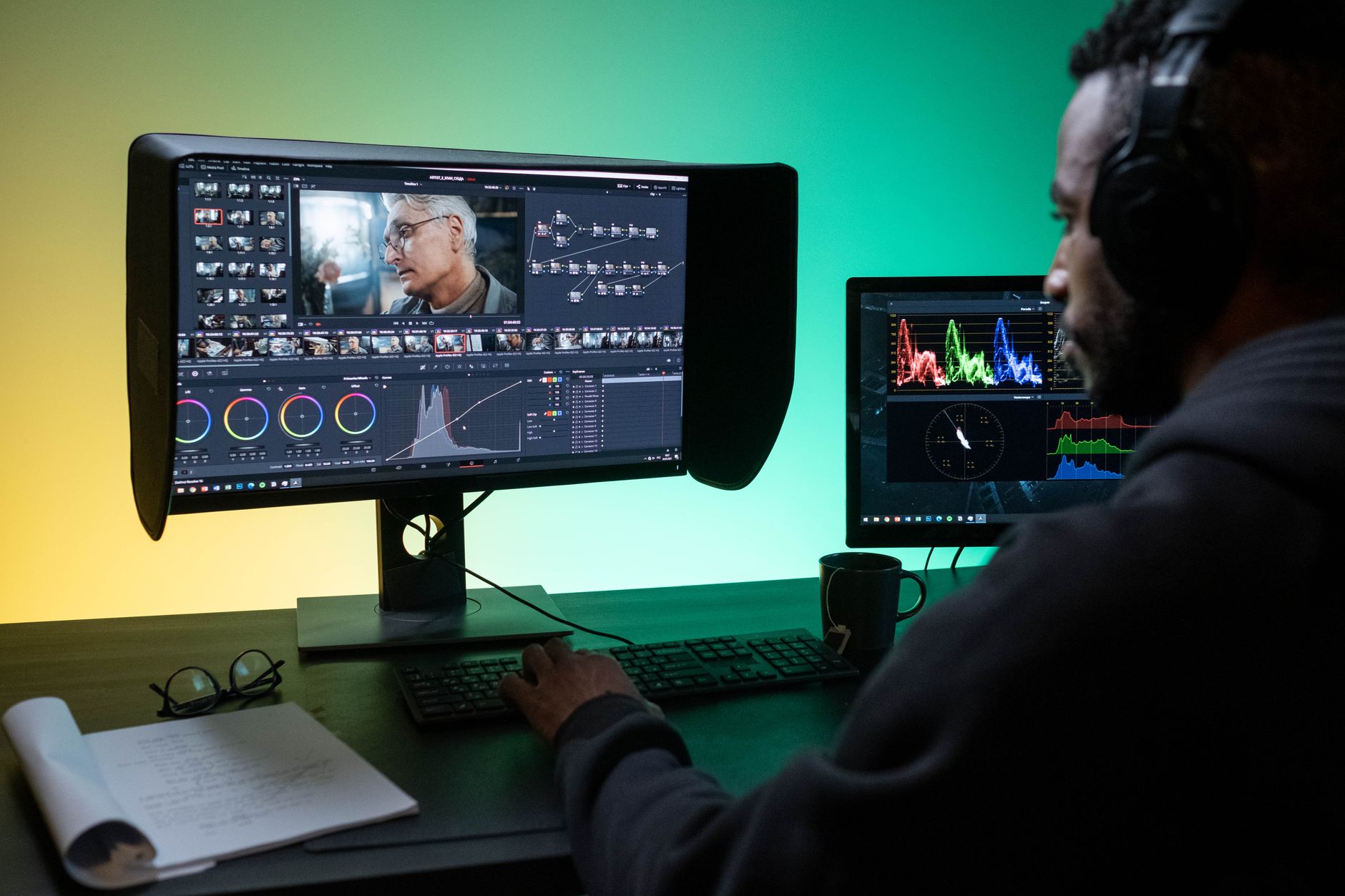
Alongside workspace enhancements, Adobe has implemented mandatory content transparency protocols across its creative software. Beginning in August 2026 (updated August 28, 2026), Adobe began automatically attaching machine-readable C2PA Content Credentials metadata to all generative AI-generated and AI-edited content produced across Adobe Firefly and Creative Cloud, as outlined in Adobe’s Experience Cloud Content Transparency documentation.
This compliance feature is enabled by default and cannot be disabled by users. The attached C2PA metadata embeds verifiable provenance information directly into the output files, logging whether an asset was generated from scratch or modified using AI features across Creative Cloud tools.
Platform Re-Encoding Considerations
While mandatory metadata ensures provenance tracking within the Adobe ecosystem, questions remain regarding external social distribution. It is currently uncertain how third-party social video platforms (such as YouTube, Instagram, or TikTok) will read and display Adobe’s newly mandatory C2PA metadata after uploaded video files undergo automated re-encoding during the publishing process. Creators publishing to external platforms should note that file compression and platform-specific processing may affect metadata visibility across different distribution channels.
Generative Credit Allocation: Standard vs. Premium Features
With the introduction of AI video generation and multi-model partner integrations, Adobe updated its credit consumption framework. Under Adobe’s Generative Credits FAQ and Creative Cloud policy updates from August 17 and August 20, 2026, advanced AI video generation tools and integrated partner models (such as ElevenLabs, OpenAI, and Runway) are classified as “Premium” features, as documented in the Adobe Generative Credits FAQ. Premium features consume generative credits at a higher rate per generation compared to standard image tools.
This distinction is critical for users participating in promotional plans. On July 23, 2026, Adobe updated its “Firefly Unlimited Generations Special Offer” terms to clarify that unlimited generation promotions apply strictly to select image models and specific resolutions on the Firefly web and mobile apps, as detailed in Adobe’s Firefly offer terms. Video generation does not qualify for unlimited promotional processing and remains subject to monthly credit limits once allocated plan credits are spent.
Creators planning high-volume video projects must monitor their credit balances closely. While existing credit add-on plan tiers provide additional monthly allocations, it remains uncertain how many additional generative credits will be deducted per second of high-resolution AI video generation once the Firefly Video Editor exits Beta, as Adobe has not finalized an exact per-second rate card for premium video clips beyond existing credit add-on plan tiers.
| Feature Category | Credit Classification Tier | Usage & Promotional Limits Policy |
|---|---|---|
| Standard Image Generation (Select models & resolutions) | Standard Tier | Eligible for Firefly Unlimited Generations Special Offer promotions on web and mobile apps. |
| Advanced Video Tools & Partner Models (ElevenLabs, OpenAI, Runway) | Premium Tier | Consumes credits at a higher rate per generation; subject to monthly credit limits once allocated credits are spent. |
| AI Audio Suite (Generate Music, Speech, Sound Effects) | Commercially Safe Audio Tools | Generally available in unified workspace; governed by standard generative credit rules. |
| Enterprise Batch Production Interface | Automated Workspace | Supports automated video and asset workflows for up to 500 input assets simultaneously. |
Practical Takeaways for Creator Workflows
Understanding these policy and technical updates helps creators structure their editing pipelines efficiently while maintaining operational compliance across platforms:
- Audit Credit Consumption: Note that advanced video generation tools and integrated partner models (such as ElevenLabs, OpenAI, and Runway) are classified as Premium features that consume credits at higher rates and are excluded from unlimited image promotions.
- Leverage Enterprise Automation: Enterprise production teams can utilize the batch production interface to process automated video and asset workflows for up to 500 input assets simultaneously.
- Prepare for Default Metadata: Remember that machine-readable C2PA Content Credentials metadata is automatically attached by default to all Firefly and Creative Cloud generative outputs and cannot be turned off by users.
Disclaimer: This article is for general information only and is not legal advice. Rules on AI content, copyright, likeness and platform enforcement change often and differ between countries and between US states. Check every point against the official terms of the platform involved, and speak to a qualified attorney before relying on any of it for your own business.