What if the biggest thing standing between you and viral video content wasn’t talent, budget, or time, but simply not knowing this tool existed?
For years, video marketing felt like a game designed for someone else.
The businesses winning attention online seemed to have everything: professional cameras, skilled editors, creative teams, and budgets large enough to produce polished content every week.
Meanwhile, most small business owners were stuck trying to create videos between customer calls, emails, and everything else on their to-do list.
If you’ve ever thought:
“I’d make more videos if I knew how…”
or
“Video marketing works, but it’s just too complicated for me…”
you’re not alone.
The good news?
The rules are changing faster than most people realize.
Today, AI-powered cinematic video tools are helping ordinary marketers create story-driven videos that once required an entire production team.
And many of them are seeing better engagement, stronger brand recognition, and more conversions because of it.
Why Most Small Businesses Never Fully Embrace Video Marketing
Let’s be honest.
Most marketers know video works.
They’ve heard the statistics.
They’ve seen competitors succeed with it.
Yet many still avoid it.
Why?
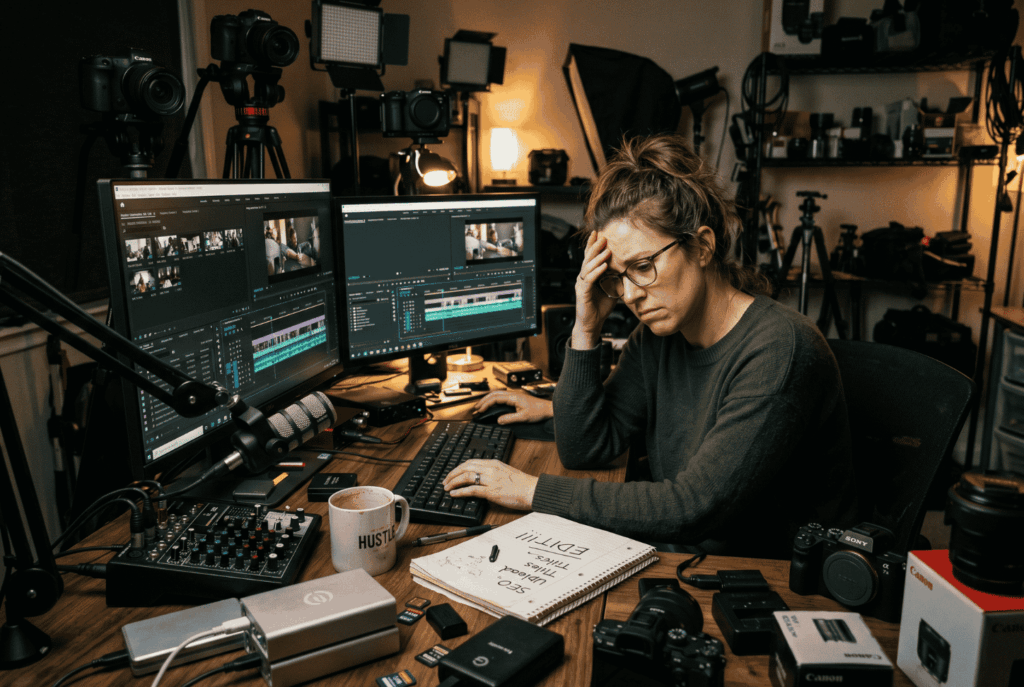
Because traditional video creation comes with several major obstacles.
The Skill Problem
Creating a compelling video isn’t simply pressing record.
You need:
- Scriptwriting
- Storytelling
- Camera skills
- Editing knowledge
- Audio management
- Visual design
For beginners, that’s overwhelming.
Even learning one of those skills can take months.
Learning all of them can take years.
The Budget Problem
Hiring professionals isn’t cheap.
A single promotional video can easily cost hundreds or thousands of dollars.
For large brands, that’s manageable.
For a local business owner or solo entrepreneur, it often isn’t.
The Time Problem
Even when someone learns video production, creating content consistently becomes another challenge.
Many marketers spend more time producing videos than actually marketing their business.
Eventually, they stop creating altogether.
And that’s where opportunity starts slipping away.
The Real Secret Behind Videos That Convert
Here’s something many marketers miss.
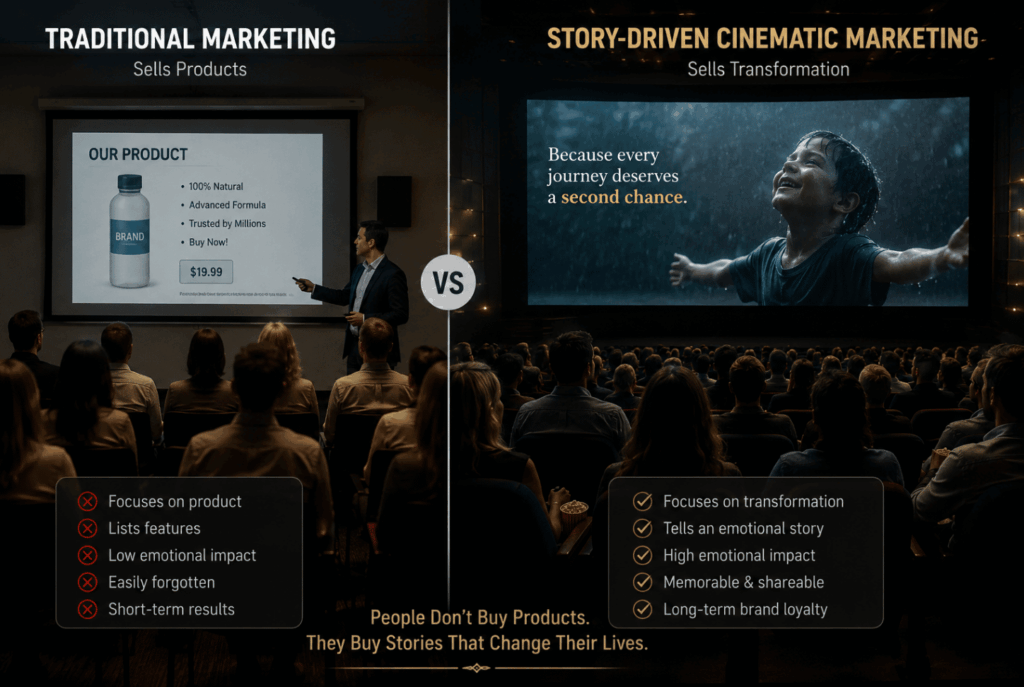
People don’t buy because a video looks expensive.
They buy because the story connects with them.
Think about the last advertisement you actually remembered.
It probably wasn’t the one with the biggest budget.
It was the one that made you feel something.
Great marketing has always been storytelling.
The challenge was that storytelling through video used to require technical skills.
Now AI is removing much of that complexity.
Instead of spending hours learning editing software, marketers can focus on what actually matters:
- The message
- The audience
- The story
That’s a major shift.
AI Is Turning Ordinary Marketers Into Visual Storytellers
A few years ago, creating cinematic content required professional production knowledge.
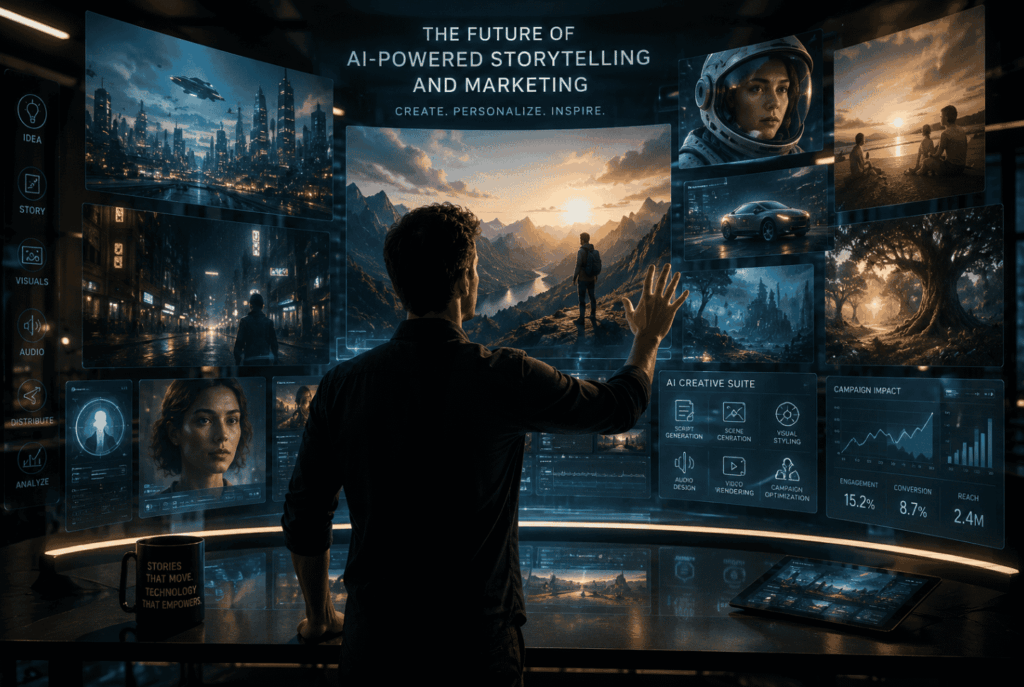
Today, AI tools can help generate:
- Story concepts
- Video scripts
- Visual scenes
- Consistent characters
- Multiple video formats
- Long-form narrative content
The result?
Someone with a good idea can produce content that feels significantly more professional than what was possible before.
This doesn’t mean AI replaces creativity.
It means creativity is no longer trapped behind technical barriers.
And that’s an important distinction.
What Makes Cinematic Storytelling Different?
Most marketing videos follow a predictable formula.
Feature.
Benefit.
Call to action.
Done.
Sometimes that’s enough.
But audiences are becoming harder to impress.
They’re exposed to thousands of marketing messages every day.
Stories break through that noise.
A story creates curiosity.
A story creates emotion.
A story keeps people watching.
When viewers stay longer, they become more invested.
When they become invested, conversions often improve.
That’s why cinematic storytelling is becoming such a powerful advantage.
Instead of feeling like an advertisement, the content feels like an experience.
Real-World Example: The Local Business Owner
Imagine a local fitness coach.
Traditionally, creating promotional videos would require:
- Filming sessions
- Hiring an editor
- Organizing locations
- Coordinating schedules
Most never get past the planning stage.
Now imagine a different approach.
The coach creates a short story about a client struggling with confidence.
The video follows the client’s journey from frustration to transformation.
Instead of pushing services directly, the story demonstrates the outcome.
Viewers relate to the experience.
Trust develops naturally.
The sales message becomes more effective because it feels authentic.
That’s storytelling.
And AI is making it accessible to people who never considered themselves creators.
The Hidden Advantage Most Marketers Haven’t Discovered Yet
Many people still think AI video tools are only for tech enthusiasts.
That assumption creates an opportunity.
Early adopters often gain the biggest advantages.
Think about:
- Businesses that started using Facebook Ads early
- Companies that embraced email marketing first
- Creators who joined YouTube before everyone else
The pattern is always similar.
The people who adapt sooner usually gain attention before competition catches up.
AI-powered storytelling may be following the same path.
The businesses experimenting today are learning skills their competitors may not discover until much later.
Why Consistency Matters More Than Perfection
One of the biggest marketing myths is that every piece of content must be perfect.
In reality, consistency usually wins.
Publishing one video every week for a year often produces better results than publishing one perfect video every six months.
The problem?
Traditional production makes consistency difficult.
AI reduces the workload enough that regular publishing becomes realistic for small teams and solo marketers.
That’s where momentum starts building.
And momentum is often more valuable than perfection.

The Future of Marketing Looks More Creative, Not Less
Some people worry AI will make content feel robotic.
The opposite may happen.
When technical barriers disappear, more people gain the ability to express ideas visually.
That means:
- More unique stories
- More niche creators
- More creative experimentation
- More engaging brand experiences
The businesses that succeed won’t necessarily be the ones with the biggest budgets.
They’ll be the ones that tell the best stories.
Technology simply becomes the vehicle.
The human message remains the driver.
Where Smart Marketers Are Focusing Right Now
Instead of asking:
“How do I learn professional video production?”
Many marketers are now asking:
“How do I tell better stories?”
That’s a far more valuable question.
Because tools will continue evolving.
Storytelling will always matter.
The marketers who combine compelling stories with modern AI technology are positioning themselves for a future where content creation is faster, more accessible, and far more scalable than ever before.
Key Takeaway
You don’t need a film degree, expensive equipment, or a production team to create engaging video content anymore.
What matters most is your ability to communicate a compelling story.
Modern AI video tools are helping everyday marketers overcome the traditional barriers of cost, skill, and time, making cinematic storytelling accessible to almost anyone.
Video marketing isn’t becoming less important.
It’s becoming more accessible.
The businesses that embrace AI-powered storytelling today have an opportunity to create content that feels more engaging, more memorable, and more human than traditional advertising.
The question is no longer whether small businesses can create cinematic marketing content.
The question is whether they’ll start before their competitors do.
- YouTube Thumbnail Test: 3-Option Plan for Faceless Channels
- Meta Now Turns Static Images Into Video Ads: What to Know
- Brands Can Now Promote Your Pins: What Creators Should Know
- Adobe Firefly August 2026 Update: Video, C2PA & Credit Tiers
- I Stopped Putting Affiliate Links Directly on Pinterest — Here’s What I Do Instead