I’ve seen a hundred AI tools promise to change content creation forever, and I’ve been burned before, so when I heard about AI making 30-minute cinematic videos, my first reaction was pure disbelief.
If you’ve spent any amount of time in marketing, content creation, or digital media over the last few years, you’ve probably developed a healthy skepticism toward AI.
I know I have.
Every week seems to bring another “revolutionary” platform claiming it can replace entire creative teams, automate storytelling, or produce Hollywood-quality content with a single click.
Most of those promises don’t survive contact with reality.
The results often look unfinished. Characters change from scene to scene. Narratives feel robotic. And viewers can usually tell within seconds that they’re watching something generated by a machine.

So when I heard people talking about AI tools creating full cinematic films lasting 30 minutes or more, I assumed it was just another marketing headline designed to attract clicks.
Then I watched one.
And it forced me to rethink what AI video creation is actually becoming.
The Problem Isn’t Video Generation, It’s Storytelling
Many discussions about AI video focus on technology.
People debate image quality.
Rendering speed.
Animation realism.
Visual effects.
But audiences rarely care about those things as much as creators think they do.
What viewers remember is the story.
Think about your favorite movie.
You probably don’t remember the camera model used during production.
You remember the characters.
The emotions.
The tension.
The moments that made you feel something.
That’s where most AI video tools have struggled.
They could generate impressive clips, but they couldn’t maintain a coherent narrative.
A character would look different in every scene.
Locations would change unexpectedly.
The visual style would drift.
The story would fall apart.
The result felt more like a collection of disconnected videos than an actual film.
That’s why I remained skeptical for so long.
The First Sign Things Had Changed
The film I watched wasn’t perfect.
Let’s get that out of the way immediately.
There were still moments where you could tell AI played a role in production.
But something felt different.
The main character remained consistent.
The environment stayed recognizable.
The scenes connected logically.
Most importantly, the story continued to build instead of resetting every few seconds.
For the first time, I wasn’t evaluating individual clips.
I was following a narrative.
That distinction matters.
A lot.
Because storytelling is where attention lives.
And attention is what every business, marketer, and creator is competing for.
Why This Matters More Than Most Marketers Realize
Here’s a question worth considering:
What happens when cinematic storytelling becomes accessible to ordinary businesses?
For decades, high-quality video production belonged to organizations with significant budgets.
Professional cameras.
Actors.
Editors.
Production crews.
Locations.
Weeks or months of work.
Small businesses simply couldn’t compete on that level.
They relied on simpler content formats because they had no other realistic option.
But AI is changing that equation.
Modern platforms are beginning to make long-form cinematic content possible without traditional filming or editing workflows. Some tools can now generate story-driven videos with recurring characters, scene continuity, and narrative structure that would have been extremely difficult for solo creators to produce just a few years ago.
That doesn’t mean every business suddenly becomes a movie studio.
But it does mean the gap between large brands and small creators is shrinking.
And that’s a significant shift.
What “Cinematic” Actually Means
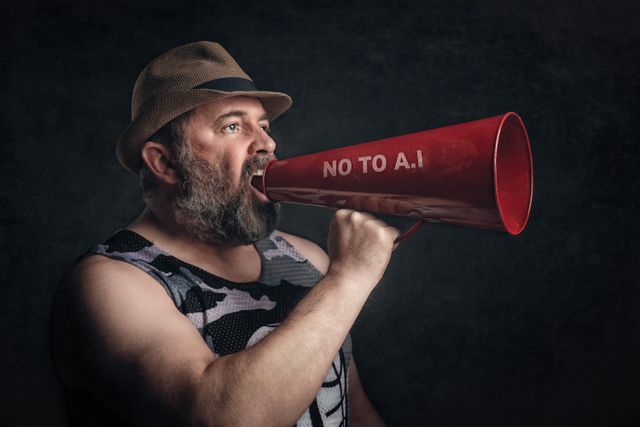
One of the biggest misunderstandings surrounding AI video is the word cinematic.
Many people assume cinematic simply means:
- High resolution
- Fancy effects
- Dramatic lighting
- Expensive visuals
Those elements can help.
But they aren’t what makes something cinematic.
Cinematic storytelling is really about emotional progression.
It’s about taking viewers somewhere.
Creating curiosity.
Building tension.
Delivering a payoff.
When done correctly, even a simple visual sequence can feel cinematic.
The technology matters less than the experience it creates.
That’s why some AI-generated content still feels lifeless despite looking impressive.
And it’s why certain AI-generated films can capture attention despite occasional imperfections.
The story carries the viewer forward.
The Real Test: Would Anyone Actually Watch It?
Whenever I evaluate new content technology, I ask one simple question:
Would a normal person voluntarily watch this?
Not a marketer.
Not a tech enthusiast.
Not someone actively testing AI.
Just a regular viewer.
Because audiences don’t care how difficult something was to create.
They only care whether it’s worth watching.
The surprising thing about this film was that I genuinely wanted to see what happened next.
That’s not a statement about technology.
It’s a statement about engagement.
The AI wasn’t the interesting part.
The story was.
And that’s probably the strongest compliment any content can receive.
The Hidden Opportunity for Businesses
Most businesses still think about video in very traditional terms.
A product demonstration.
A testimonial.
A sales presentation.
A promotional reel.
Those formats still work.
But audiences increasingly respond to stories rather than advertisements.
Imagine a fitness company telling customer transformation stories through cinematic narratives.
A travel brand creating destination experiences instead of basic promotions.
A nonprofit illustrating real-world impact through visual storytelling.
A small business building emotional connections rather than simply listing features.
These approaches become much more achievable when production barriers decrease.
That’s where AI becomes genuinely interesting.
Not because it replaces creativity.
Because it expands who gets access to creative tools.
What Skeptics Are Getting Right
To be fair, skepticism still has value.
Not every AI video tool lives up to its claims.
Not every generated video looks professional.
Not every platform delivers consistent results.
Some products are genuinely overhyped.
Some marketing pages make promises that current technology cannot fully support.
Healthy skepticism protects creators from wasting time and money.
But skepticism can also become a blind spot.
Sometimes we become so focused on identifying hype that we miss legitimate progress.
The challenge is learning to separate exaggerated claims from meaningful advancements.
That’s becoming increasingly important as AI video technology evolves.
The Future Isn’t AI Versus Humans

One misconception continues to dominate conversations about AI.
People often frame the discussion as:
Humans versus machines.
Creators versus software.
Artists versus automation.
I don’t think that’s what we’re seeing.
The most effective results still require human direction.
Someone has to develop the concept.
Shape the story.
Guide the message.
Understand the audience.
Technology may help execute the vision.
But the vision itself remains human.
The future of content creation probably won’t belong to people who reject AI completely.
Nor will it belong to people who blindly automate everything.
It will belong to creators who understand how to combine technology with human storytelling.
That’s a much more interesting future.
So, Was My Skepticism Wrong?
Not entirely.
Most skepticism comes from experience.
And experience matters.
The internet is full of tools that promise far more than they deliver.
But after watching a genuinely coherent 30-minute cinematic film created through AI-assisted processes, I can no longer dismiss the category outright.
The technology isn’t perfect.
The results aren’t always flawless.
Yet something important has changed.
We’re moving beyond isolated AI-generated clips and toward complete visual narratives.
That’s a bigger leap than many people realize.
And it may end up having a greater impact on content marketing than the flashy headlines ever suggested.
Key Takeaway
The most important breakthrough in AI video isn’t visual quality.
It’s storytelling consistency.
When AI tools can help creators build coherent narratives with recurring characters, connected scenes, and engaging story arcs, they move from novelty to practical creative tools.
That’s when marketers should start paying attention.
AI video still deserves a healthy dose of skepticism.
But skepticism should never prevent curiosity.
The tools are improving.
The results are improving.
And the gap between what seemed impossible a few years ago and what’s possible today is shrinking rapidly.
Whether you’re a marketer, creator, entrepreneur, or simply someone interested in the future of content, this is one space worth watching closely.
Because the next generation of storytelling may not come from a giant production studio.
It might come from a laptop.
- YouTube Thumbnail Test: 3-Option Plan for Faceless Channels
- Meta Now Turns Static Images Into Video Ads: What to Know
- Brands Can Now Promote Your Pins: What Creators Should Know
- Adobe Firefly August 2026 Update: Video, C2PA & Credit Tiers
- I Stopped Putting Affiliate Links Directly on Pinterest — Here’s What I Do Instead