You Didn’t Quit Because You Were Lazy
You quit because it stopped being fun.
At first, creating content felt exciting.
You imagined uploading videos that looked cinematic. You pictured building a YouTube channel, growing an audience, maybe even creating a side income online. You watched creators making beautiful documentaries, emotional storytelling videos, and polished cinematic edits — and thought:
“I can do this too.”
Then reality hit.
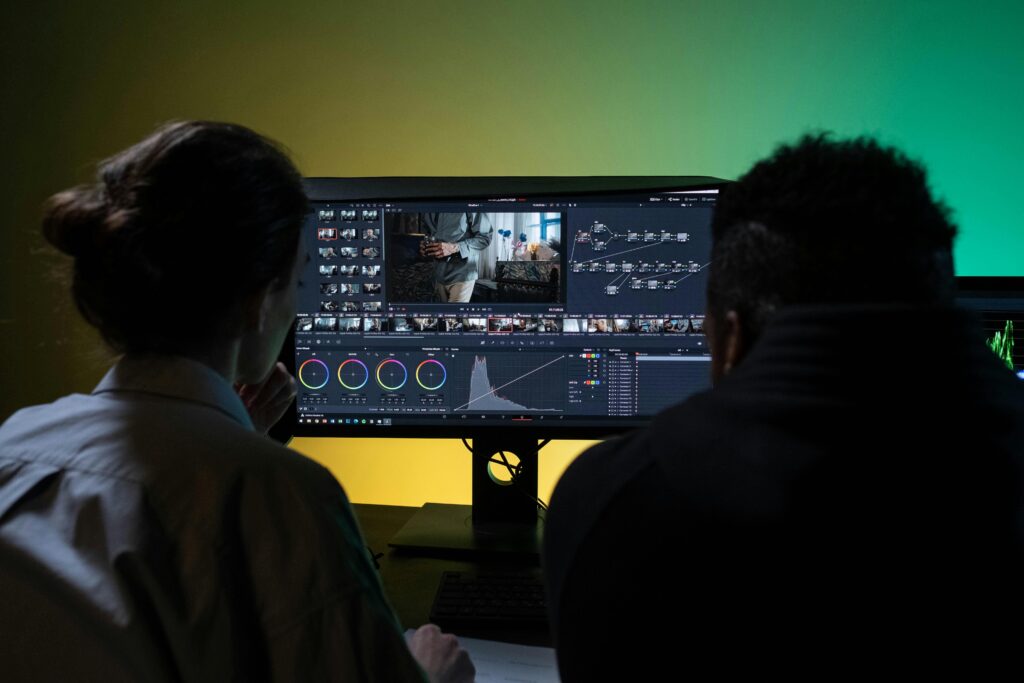
The editing software looked like the cockpit of a spaceship.
The tutorials were two hours long.
The timeline was confusing.
Your computer lagged.
Nothing looked professional.

And somewhere between your fifth failed export and your twentieth YouTube tutorial, the excitement quietly disappeared.
This is the part most people never talk about.
Beginners rarely quit content creation because they lack motivation.
They quit because the process feels emotionally exhausting.
And ironically, the thing that was supposed to help them create — editing software — becomes the reason they stop creating altogether.
That’s exactly why a new generation of AI-powered content tools is exploding right now: people want results without drowning in technical overwhelm.
The Hidden Emotional Cost of Learning Video Editing
There’s a strange kind of frustration that comes from spending hours trying to create something… only for it to still look amateur.
If you’ve ever opened Premiere Pro, DaVinci Resolve, or After Effects as a beginner, you probably know the feeling.
You start with a simple goal:
“I just want to make one good video.”
But suddenly you’re learning:
- Keyframes
- Color grading
- Motion graphics
- Audio balancing
- Frame rates
- Rendering settings
- Masking
- Transitions
- Export codecs
Instead of feeling creative, you feel stupid.
That emotional shift matters more than people realize.
Because once content creation starts feeling like homework, consistency disappears.
And consistency is everything online.
Most Beginners Don’t Want to Become Editors
This is the truth the creator economy finally started realizing in 2026:
Most people don’t actually dream of becoming video editors.
They want to become storytellers.
They want to:
- Share ideas
- Build an audience
- Create income online
- Inspire people
- Make cinematic content
- Express creativity
But traditional editing workflows force them to become technicians first.
That disconnect is huge.
According to the buyer persona insights behind modern AI video tools, one of the biggest frustrations beginners experience is being unable to create professional-looking videos because they lack editing skills and resources.
And honestly? That frustration is valid.
Because the internet keeps telling people:
“Anyone can become a creator.”
While quietly ignoring how overwhelming the backend process actually feels.
The Beginner Creator Spiral Nobody Talks About

Here’s how it usually happens.
Week 1: Excitement
You discover content creation.
Maybe it’s YouTube automation.
Maybe documentary storytelling.
Maybe motivational videos.
Maybe AI filmmaking.
You feel energized.
You buy courses.
Download software.
Save inspiration videos.
Plan your channel.
Everything feels possible.
Week 2: Confusion
You open editing software.
Suddenly you realize creators weren’t “just making videos.”
They were:
- Editing for 10 hours
- Layering sound design
- Animating scenes
- Learning storytelling pacing
- Fixing mistakes manually
Your first video takes three days.
And still doesn’t look good.
Week 3: Emotional Burnout
Now every upload feels stressful.
You start procrastinating.
Not because you don’t care…
But because your brain associates creation with frustration.
This is where most beginner creators disappear.
Not publicly.
Quietly.
They stop uploading.
Stop trying.
Stop believing they can do it.
And that’s heartbreaking, because many of them actually had good ideas.
The Shift That’s Changing Content Creation Forever
Something important is happening right now in the creator economy.
People are moving away from “technical complexity” and toward “creative simplicity.”
You can already see it everywhere:
- AI writing tools
- AI design tools
- AI voice tools
- AI research tools
- AI video generation
Why?
Because creators are tired.
They don’t want to spend six months learning software before publishing their first idea.
They want momentum.
That’s one reason AI-powered cinematic video platforms are gaining traction so quickly. Many are designed specifically for people who want professional-looking content without spending months learning editing workflows.
And honestly, that shift makes sense.
Because the creators winning today are often not the most technically advanced people.
They’re the people who can stay consistent the longest.
A Realistic Example: Jake’s Story
Imagine someone like Jake.
Jake works a normal 9-to-5 job in Texas.
He wants to start a YouTube channel about history documentaries and motivational storytelling.
At first, he’s obsessed.
He watches creators with cinematic B-roll, emotional music, dramatic visuals, and smooth transitions.
So he downloads professional editing software.
Three weeks later?
He has:
- 17 unfinished projects
- Hundreds of bookmarked tutorials
- Zero uploaded videos
Every editing session turns into frustration.
He spends more time fixing timelines than actually telling stories.
Eventually, he almost quits.
Then he discovers a simpler AI-based workflow.
Instead of manually editing every scene, the platform helps generate visuals, structure scenes, and create cinematic storytelling sequences automatically.
Suddenly:
- One video no longer takes 20 hours
- The process feels creative again
- Publishing becomes realistic
And that emotional shift changes everything.
Because momentum returns.
Why Simplicity Is Becoming a Competitive Advantage
This part surprises people.
Sometimes the creators growing fastest are not the most talented editors.
They’re simply the people who found a workflow they could sustain.
That matters.
A lot.
Because online success usually comes from:
- Volume
- Consistency
- Emotional endurance
- Publishing regularly
- Improving through repetition
Not perfection.
The problem is that traditional editing workflows often destroy consistency before creators even gain momentum.
That’s why beginner-friendly AI systems are becoming attractive to creators who secretly admire people with smooth, automated workflows and more creative freedom.
People don’t just want easier tools.
They want less emotional friction.
The AI Shortcut Isn’t About Laziness
Some people criticize AI creation tools by saying:
“Real creators should learn editing.”
But that misses the point entirely.
Using AI to simplify workflows isn’t laziness.
It’s leverage.
Nobody criticizes photographers for using autofocus.
Nobody criticizes designers for using Canva templates.
Nobody criticizes writers for using spellcheck.
Technology always removes friction over time.
AI video tools are simply doing that for content creation.
And for beginners, reducing friction can mean the difference between:
- quitting permanently
or - finally building momentum
That’s huge.
What Modern Beginner Creators Actually Need
Most beginners do not need:
- Hollywood-level editing
- Complex VFX
- Advanced motion graphics
What they really need is:
- A repeatable workflow
- Faster content production
- Confidence
- Simplicity
- Early wins
- Consistency
This is why AI-driven video systems focused on long-form cinematic storytelling are standing out. Some platforms now specifically emphasize creating professional-style videos without requiring filming equipment or editing skills.
That emotional relief matters more than most people think.
Because once people feel:
“Oh… I can actually do this.”
They start creating again.
Practical Ways Beginners Can Avoid Creative Burnout
1. Stop Trying to Master Everything First
You do not need to become an expert editor before publishing.
That mindset kills momentum.
Learn while creating.
Not before creating.
2. Prioritize Output Over Perfection
Your first 20 videos probably won’t be amazing.
That’s normal.
The goal is not perfection.
The goal is momentum.
3. Reduce Friction Wherever Possible
If a workflow constantly drains your energy, simplify it.
That might mean:
- Templates
- AI tools
- Automation
- Simpler formats
- Easier editing systems
The easier the process feels, the more likely you are to stay consistent.
4. Focus on Storytelling First
Most viewers forgive imperfect editing.
They do not forgive boring content.
A compelling story beats flashy transitions almost every time.
5. Build a “Creator-Friendly” System
Your workflow should make you want to come back tomorrow.
That’s the real test.
Not:
“Is this the most advanced setup?”
But:
“Can I realistically sustain this for six months?”
The Bigger Opportunity Most People Still Don’t See
We’re entering a strange new era online.
The barrier to creating content is collapsing.
And that changes everything.
In the past, building cinematic videos required:
- Cameras
- Editors
- Teams
- Expensive software
- Technical expertise
Now?
A solo creator with AI tools can produce surprisingly professional content from a laptop.
That doesn’t mean storytelling suddenly becomes easy.
But it does mean the technical gatekeeping is fading.
And for beginners, that’s incredibly powerful.
Because the people who once felt locked out of content creation finally have a realistic entry point.
Where AI Video Tools Fit Into This Shift
AI tools won’t magically make someone successful overnight.
But they can remove the unnecessary friction that causes many beginners to quit too early.
That’s the real value.
Not replacing creativity.
Protecting it.
Some AI cinematic platforms are now specifically positioning themselves around:
- faster workflows
- long-form storytelling
- reusable characters
- no filming
- no manual editing
- beginner accessibility
And honestly, that aligns perfectly with what overwhelmed beginner creators actually want.
Not complexity.
Progress.
The Real Secret Is Staying in the Game
Most creators don’t fail because they lack potential.
They fail because the process becomes emotionally unsustainable.
That’s the conversation more people need to hear.
If editing has ever made you feel overwhelmed, discouraged, or behind…
You are not broken.
You are probably just trying to force yourself into a workflow that wasn’t designed for beginners.
And maybe the smartest thing you can do isn’t “work harder.”
Maybe it’s building a creation process simple enough that you’ll actually keep going.
Because the people who win online are rarely the people who start perfectly.
They’re the people who stay consistent long enough to improve.
And sometimes, reducing friction is exactly what makes that possible.