People Don’t Trust Perfect Anymore, They Trust Real
A few years ago, polished content felt impressive.
Cinematic transitions. Perfect lighting. Ultra-clean edits. Corporate-level branding. Every frame looked expensive.
Now?
A creator filming in their messy bedroom often feels more believable than a million-dollar ad campaign.
And that shift is changing everything.
The internet is exhausted from being sold to.
People can sense when content is overly engineered to manipulate attention. They feel it when every sentence sounds optimized, every smile looks rehearsed, and every “authentic moment” feels planned by a marketing team.
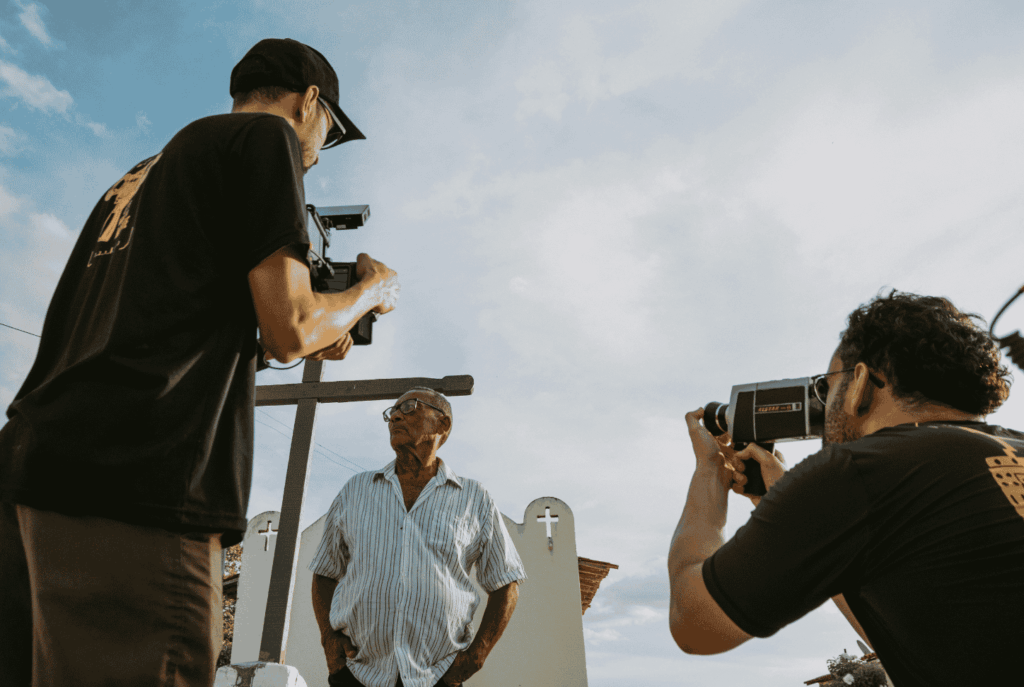
That’s why documentary-style content is quietly becoming one of the most powerful trust-building formats online.
Not because it’s perfect.
Because it feels human.
And in a world drowning in polished marketing, humanity stands out.
The Rise of “Real” Content
Scroll through YouTube, TikTok, or Instagram for a few minutes and you’ll notice something strange.
The videos getting the deepest emotional engagement often aren’t the most polished.
They’re the ones that show:
- The struggle before the success
- The behind-the-scenes chaos
- The awkward process
- The uncertainty
- The small wins
- The creator figuring things out in real time
People don’t just want outcomes anymore.
They want context.
They want to see how something happened.
That’s the magic of documentary-style storytelling.
Instead of saying:
“Here’s my successful business.”
It says:
“Here’s what it actually took to build it.”
And that difference changes how people emotionally respond to your content.
Why Perfect Marketing Is Starting to Feel Fake
Modern audiences are incredibly media-aware.
They know when lighting is staged.
They know when testimonials are scripted.
They know when creators are pretending to “accidentally” recommend a product.
The problem isn’t quality itself.
The problem is emotional distance.
Perfect marketing creates separation between the creator and the audience.
It feels too controlled.
Too safe.
Too optimized.
Documentary-style content does the opposite.
It removes the invisible wall.
It lets people feel close to the creator.
That closeness creates trust.
And trust creates attention.
The Internet Is Going Through a Trust Recession
Most people won’t say this out loud, but many internet users are emotionally tired.
Tired of:
- fake gurus
- unrealistic lifestyles
- exaggerated income claims
- overproduced ads
- “six-figure secrets”
- AI-generated sameness
Audiences are becoming harder to impress because they’ve seen every marketing trick already.
What cuts through now is vulnerability mixed with clarity.
Not weakness.
Not oversharing.
Just honesty.
The creator who admits:
- “This took me six months.”
- “I almost quit.”
- “I didn’t know what I was doing.”
- “Here’s the messy middle nobody talks about.”
…often feels more trustworthy than the creator pretending everything came easily.
That emotional honesty is incredibly persuasive.
Documentary-Style Content Feels Like Evidence
Here’s something fascinating about human psychology:
People trust what they can observe more than what they’re told.

Traditional marketing says:
- “Our product saves time.”
Documentary storytelling shows:
- the creator exhausted at 1 AM editing videos
- the workflow problems
- the frustration
- the moment they finally simplify the process
One feels like advertising.
The other feels like proof.
That’s why behind-the-scenes content converts so well.
It allows the audience to emotionally experience the transformation instead of simply hearing claims about it.
A Simple Example Almost Everyone Understands
Imagine two fitness creators.
Creator #1
Posts:
- perfect gym photos
- luxury aesthetics
- motivational quotes
- heavily edited transformations
Creator #2
Films:
- bad workouts
- missed days
- grocery shopping
- moments of self-doubt
- gradual progress over months
Which one feels more believable?
For most people, it’s the second creator.
Because struggle creates credibility.
Perfection creates distance.
Why This Matters So Much for Online Businesses
This shift isn’t just cultural.
It affects sales.
A lot.
Especially for:
- affiliate marketers
- online creators
- coaches
- AI tool creators
- YouTubers
- digital entrepreneurs
- personal brands
People buy from creators they trust.
And trust today is built differently than it was five years ago.
Audiences don’t necessarily want the most polished creator anymore.
They want the creator who feels:
- transparent
- relatable
- emotionally real
- consistent
- believable
Ironically, trying too hard to look professional can sometimes reduce trust.
That’s especially true in the AI content era.
The AI Content Explosion Changed Audience Psychology
AI tools are making content production dramatically easier.
People can now create:
- cinematic visuals
- voiceovers
- scripts
- thumbnails
- entire video workflows
…faster than ever before.
But something unexpected happened.
As content became easier to produce, authenticity became more valuable.
Because audiences know almost anyone can generate polished content now.
What they can’t easily fake is:
- lived experience
- emotional nuance
- genuine storytelling
- personality
- vulnerability
- real process
That’s why documentary-style storytelling is becoming more powerful in the AI era, not less.
People Secretly Admire Process More Than Perfection
This is one of the biggest emotional truths online.

Most audiences secretly admire creators who:
- simplified their workflow
- automated repetitive tasks
- built freedom gradually
- documented their journey honestly
The fascination isn’t just with success.
It’s with how they got there.
According to the uploaded buyer persona research, audiences are frustrated by wasting time and struggling to create professional-looking content.
They also deeply admire people who automated their workflow and created smoother creative systems.
That emotional tension matters.
Because documentary-style content naturally captures:
- the process
- the obstacles
- the experiments
- the evolution
Which makes viewers emotionally invest in the journey.
Why Long-Form Storytelling Is Quietly Winning Again
Short-form content dominates attention.
But long-form storytelling dominates trust.
That’s an important distinction.
Short clips are excellent at:
- grabbing curiosity
- creating dopamine
- generating quick reach
But documentary-style long-form content creates:
- emotional connection
- authority
- loyalty
- retention
- community
People may discover you through short-form content.
But they often trust you through long-form storytelling.
That’s why YouTube documentaries, creator vlogs, founder journeys, and behind-the-scenes business content are exploding again.
People are hungry for meaning.
Not just stimulation.
Documentary Content Makes the Audience Feel Included
Traditional advertising talks at people.
Documentary storytelling brings people inside the experience.
That emotional difference is huge.
Instead of:
“Look how amazing I am.”
The tone becomes:
“Come experience this with me.”
That subtle shift removes resistance.
It stops feeling like marketing and starts feeling like participation.
The audience becomes emotionally involved in the outcome.
And emotionally involved people pay attention longer.
The Power of Imperfect Moments
Some of the most powerful moments in content are completely imperfect.
A shaky camera.
An awkward pause.
A frustrated reaction.
A quiet moment of doubt.
An unfinished workspace.
These moments create emotional texture.
They make the content feel alive.
Overproduced content often removes these imperfections in pursuit of “professionalism.”
But those imperfections are frequently the exact thing that creates connection.
Because humans trust humans.
Not perfection.
How Brands Can Use Documentary-Style Storytelling
You don’t need Netflix-level production to create documentary-style content.
You just need honesty and structure.
Here are a few ways creators and brands can apply this immediately.
Show the Process, Not Just the Result
Instead of only posting the final outcome:
- show the messy drafts
- show failed attempts
- show learning curves
- show iterations
People connect deeply with visible effort.
Document in Real Time
Real-time storytelling feels more believable than polished hindsight storytelling.
Try content like:
- “Day 14 of building this project”
- “What went wrong this week”
- “Testing this AI workflow live”
- “How I’m improving my content system”
This creates emotional continuity with your audience.
Include Human Friction
Don’t remove every struggle from your content.
Struggle creates realism.
If your workflow was frustrating before finding a better solution, talk about it.
If content creation overwhelmed you, explain it.
People trust creators who acknowledge difficulty.
Use Cinematic Emotion, Not Corporate Polish
There’s a difference between cinematic storytelling and corporate marketing.
Cinematic storytelling creates:
- mood
- emotion
- tension
- curiosity
- atmosphere
Corporate polish often removes emotion in favor of perfection.
The goal isn’t lower quality.
The goal is emotional realism.
Let Your Personality Exist
This sounds simple, but many creators accidentally erase themselves trying to sound “professional.”
Your audience doesn’t just connect with information.
They connect with:
- your perspective
- your humor
- your frustrations
- your energy
- your thought process
Personality builds memorability.
And memorability builds brand trust.
The Hidden Advantage for Smaller Creators
This trend is actually good news for creators who feel intimidated.
Why?
Because you no longer need massive production budgets to earn trust online.
In fact, audiences are increasingly skeptical of overly polished content.
A smaller creator with:
- honest storytelling
- emotional clarity
- useful ideas
- strong narrative structure
…can outperform creators with bigger budgets but weaker authenticity.
That changes the playing field dramatically.
The Future of Content Will Feel More Human
As AI-generated content keeps increasing, emotional authenticity will become even more valuable.
People will still use AI tools.
Businesses will still automate workflows.
Creators will absolutely continue optimizing production systems.
But the creators who win long-term attention will likely be the ones who combine:
- efficiency
- storytelling
- personality
- emotional transparency
- real documentation
Technology may scale content.
But humanity scales trust.
And trust is becoming the rarest thing online.
The internet doesn’t need more perfect marketing.
It needs more believable stories.
People are no longer impressed just because something looks expensive or polished.
They’re asking deeper questions now:
- Does this feel real?
- Do I trust this person?
- Does this creator actually understand the struggle?
- Is there a human behind this content?
That’s why documentary-style storytelling works so well.
It reminds people that behind every creator, business, or brand… there’s still a real person trying to figure things out.
And strangely enough, that honesty may become the strongest marketing strategy of all.