For years, video editing felt like a rite of passage.
If you wanted to create something decent, you had to learn the timeline. Learn the cuts. Learn the layers. Learn the endless menus, the confusing shortcuts, the plugins, the exports, the crashes, the “why is my audio out of sync again?” moments.
It was a skill. A craft. A grind.
And for a long time, that grind was the price of entry.
But something is shifting.
Quietly at first. Then all at once.
AI is turning video creation into something very different from traditional editing. Not just faster. Not just easier. Different. The old world was built around technical complexity. The new one is being built around speed, storytelling, and creative flow.
So the real question is not whether video editing is still useful.
The real question is this:
Is traditional video editing slowly dying as the default way creators make content?
And honestly, the answer looks a lot like yes.
The Old Editing Workflow Was Built for Suffering
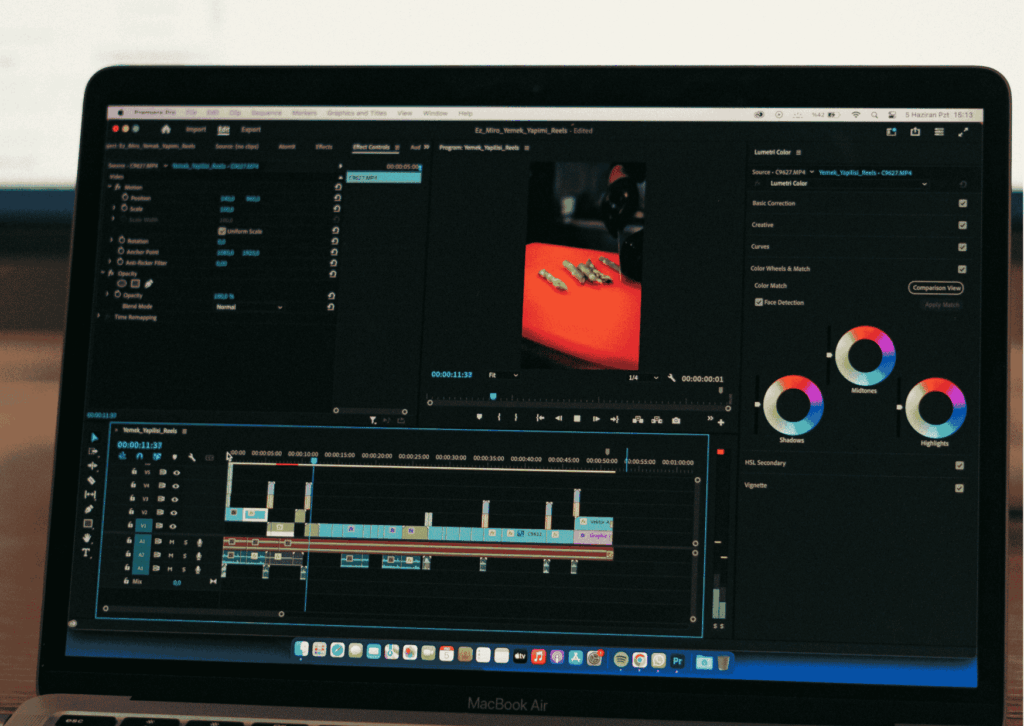
Traditional video editing was never just “editing.”
It was a whole emotional experience.
You would start with raw footage and immediately face the first problem: too much work. Then came trimming, syncing, organizing, color correction, motion graphics, music selection, captions, transitions, audio cleanup, and export settings that somehow felt like they were designed by someone who hated creators.
Even simple projects could eat your day.
And if you were a solo creator, the pressure hit harder. No assistant. No editor. No team. Just you, a deadline, and a laptop slowly becoming a stress machine.
That workflow created burnout in a very specific way.
Not the dramatic kind.
The quiet kind.
The kind where you stop creating because the process feels heavier than the idea itself.
A lot of people did not quit because they ran out of ideas. They quit because the toolset between the idea and the final video felt too massive.
That is the part people forget.
Most creators do not hate making content. They hate wrestling with the machine.
AI Changed the Meaning of “Editing”
AI did not just speed things up. It changed the job itself.
Traditional editing used to mean assembling a video piece by piece. Today, AI can help generate scenes, structure stories, clean audio, build visual flow, and reduce the amount of manual labor required at every step.
That is a huge deal.
Because once editing becomes less about technical survival and more about creative direction, the whole game changes.
Now creators can spend more time asking:
- What story am I telling?
- What emotion should this scene create?
- What should the viewer feel in the first 5 seconds?
- How do I keep attention from start to finish?
That is the real shift.
The craft is moving up the ladder.
Instead of spending all your energy on software mechanics, you can focus on message, mood, and momentum.
And for content creators, that is freedom.
Why Traditional Editing Feels Slower Every Year
This is where the emotional contrast gets interesting.
Old-school editing is still powerful. No question. But it is increasingly exposed as inefficient for the pace of modern content.
People today want:
- Faster turnaround
- More content output
- Better storytelling
- Less technical friction
- More consistency across videos
The internet rewards volume, clarity, and retention. Not perfection.
And that creates tension.
Because traditional editing often asks for patience, precision, and deep technical attention. Meanwhile, the market is asking for speed and output. That mismatch is why so many creators feel trapped.
They are trying to build modern attention-based businesses using workflows designed for a much slower era.
That is like trying to run an online store with dial-up internet.
It works in theory. It just feels unnecessary.
The Emotional Divide: Burnout vs Creative Freedom
This is probably the biggest reason AI-powered creation is catching fire.
It is not just about efficiency. It is about how it feels.
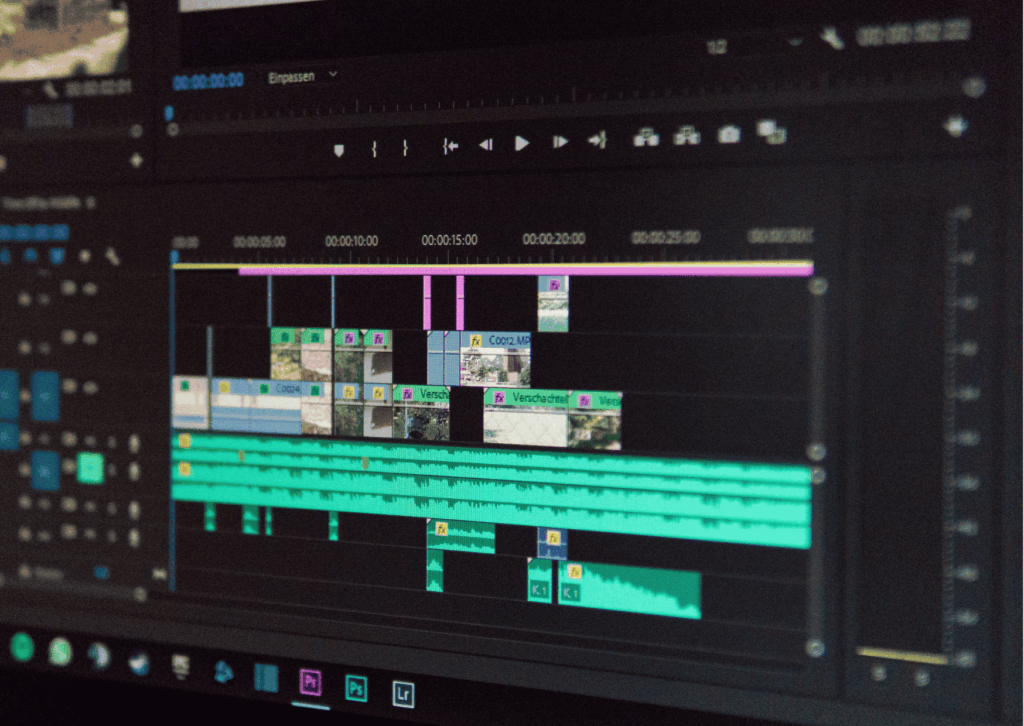
Traditional editing can feel like carrying bricks.
AI-assisted creation can feel like lifting a curtain.
One process drains your energy before the work is even done.
The other gives energy back.
That emotional difference matters more than people think.
When the process is frustrating, your creativity shrinks. You second-guess ideas. You make fewer experiments. You settle for “good enough” because “great” feels too expensive in time and mental energy.
But when the workflow becomes lighter, your imagination gets louder.
You try more angles. You make more content. You test more hooks. You build faster. You learn faster.
That is why AI is not just a tool upgrade.
It is a creative mindset shift.
What Creators Actually Want Now
The truth is, creators do not really want to become editing experts.
They want results.
They want content that looks cinematic, feels polished, and performs well.
They want systems that help them create without turning every project into a technical marathon.
That is why the new generation of tools is so attractive. They reduce friction. They automate the boring stuff. They make it possible to build visuals, narratives, and even long-form cinematic scenes with more consistency than most people expected.
And that matters because consistency is everything.
A strong creator brand is not built on one lucky video.
It is built on a repeatable creative system.
When newer AI systems can support consistent characters, consistent style, and cohesive storytelling across multiple scenes, the creative ceiling goes way up.
That means a solo creator can now do things that once required a team, a budget, and weeks of work.
That is not hype.
That is the new reality forming in front of us.
A Real-Life Creator Scenario
Picture this.
A creator has an idea for a 2-minute cinematic brand story.
In the old world, they would need to:
- script it
- shoot or source footage
- organize clips
- cut the sequence
- add color grading
- animate text
- find music
- refine pacing
- fix audio
- export multiple versions
- repeat after client feedback
That process could take hours or days.
Now imagine a different workflow.
The creator starts with the story.
They define the emotion they want.
They use AI to help generate or shape the scene structure, speed up visual assembly, and maintain continuity. Instead of babysitting every cut, they guide the project like a director.
They are no longer buried inside the machine.
They are above it.
That changes everything.
Not because the work disappears, but because the creative energy stays where it belongs: on the idea.
Why This Matters for Online Income and Affiliate Marketing
If you make money online, this shift is bigger than it looks.
Why?
Because content is the engine behind almost everything now.
Affiliate marketing. YouTube. Short-form content. Blogs. Faceless channels. Brand storytelling. Lead generation. Social media growth.
All of it depends on content production.
And content production has always had one bottleneck: time.
The faster and more consistently you can produce quality content, the more leverage you have.
That is why creators, solopreneurs, and online marketers are paying close attention to AI-driven workflows.
Not because they are chasing novelty.
Because they want leverage.
A person who can create 10 strong pieces of content in the time it used to take to create 2 suddenly has a real advantage.
That is not just productivity.
That is business power.
The Psychological Reason AI Feels So Liberating
There is also something deeper happening here.
Traditional editing often makes creators feel like they need to prove something.
Proof that they are skilled. Technical. “Real.”
AI creates a different psychological environment.
It gives permission to focus on taste instead of mechanics.
That matters because a lot of creators have been stuck in a weird identity trap.
They think, “If I am not manually doing every part, am I still a real creator?”
The answer is yes.
Always yes.
The value of a creator is not measured by how many tedious tasks they can tolerate. It is measured by their vision, judgment, storytelling, and ability to connect with an audience.
The audience does not care whether you spent six hours keyframing a motion graphic.
They care whether the video moves them.
That is the heart of the shift.
The tools are evolving to reward taste, not pain tolerance.
Practical Ways to Adapt Right Now
If this shift is happening, what should you actually do about it?
Start here.
1. Stop thinking like an editor only
Start thinking like a storyteller, producer, and director. The more you focus on the message, the less stuck you will feel in technical weeds.
2. Build a repeatable workflow
Do not create from scratch every time. Use templates, content frameworks, and reusable structures. Speed comes from systems.
3. Use AI for the boring parts first
Let AI help with scene ideas, rough cuts, captions, audio cleanup, or visual organization. Free your brain for the higher-value decisions.
4. Protect your creative energy
The goal is not to make more content just because you can. The goal is to make better content without burning out.
5. Focus on storytelling quality
AI can assist with production. It cannot replace your understanding of emotion, timing, audience psychology, and narrative flow.
That is still your edge.
Not entirely.
But it is losing its monopoly.
That is the key difference.
Traditional editing is not disappearing overnight. Professional editors, agencies, filmmakers, and advanced creators will still use it. There will always be room for deep manual control when the project demands it.
But for the average creator, marketer, entrepreneur, and solo builder, the old model is starting to feel too slow, too expensive, and too mentally exhausting.
The center of gravity is moving.
The future belongs to creators who can move fast without sacrificing quality.
Creators who can tell a story without drowning in software.
Creators who care more about the feeling of the final result than the pain it took to get there.
That is why AI is not just changing editing.
It is changing what content creation even means.
👉 Learn More About Cinemation Elite
Final Thoughts
We are watching a major shift happen in real time.
The old world said creativity had to be hard.
The new world is proving that creativity can be fluid, fast, and far more accessible than before.
And that changes who gets to create.
It changes how often they create.
It changes how much they can build.
For a long time, video editing was the gatekeeper.
Now AI is cracking that gate open.
The people who adapt early will not just make better videos.
They will build faster businesses, stronger brands, and more sustainable creative lives.
And in a world where attention is everything, that might be the biggest advantage of all.
The shift is already happening.
While many creators are still fighting complicated workflows, others are building cinematic content with AI-assisted systems.
The question is: which group will you be in?
- YouTube Thumbnail Test: 3-Option Plan for Faceless Channels
- Meta Now Turns Static Images Into Video Ads: What to Know
- Brands Can Now Promote Your Pins: What Creators Should Know
- Adobe Firefly August 2026 Update: Video, C2PA & Credit Tiers
- I Stopped Putting Affiliate Links Directly on Pinterest — Here’s What I Do Instead