Disclosure: this post contains affiliate links. If you buy through one, PassiveOn may earn a commission at no extra cost to you.
There was a time when making a cinematic video meant a whole cast of moving parts.
A camera operator. An editor. A scriptwriter. Maybe an actor. Maybe a sound person. Maybe someone just to keep the whole thing from falling apart.
That world is changing fast.
Today, one person with a laptop can build something that looks and feels like a real movie-style production from home. AI tools are making it possible to create long-form cinematic content without filming, editing, or a full crew, and that shift is opening the door for solo creators in a way that used to feel impossible.
And honestly, that is a huge deal.
Because the dream was never just “make content.”
The dream was freedom.
Freedom from time waste. Freedom from technical overwhelm. Freedom from needing permission. Freedom to create something polished, impressive, and profitable without building a mini-Hollywood in your living room. The audience for these tools is already frustrated by wasted time, average-looking videos, and the pressure to learn complicated editing software just to keep up.
That is exactly why the rise of the one-person movie studio matters.
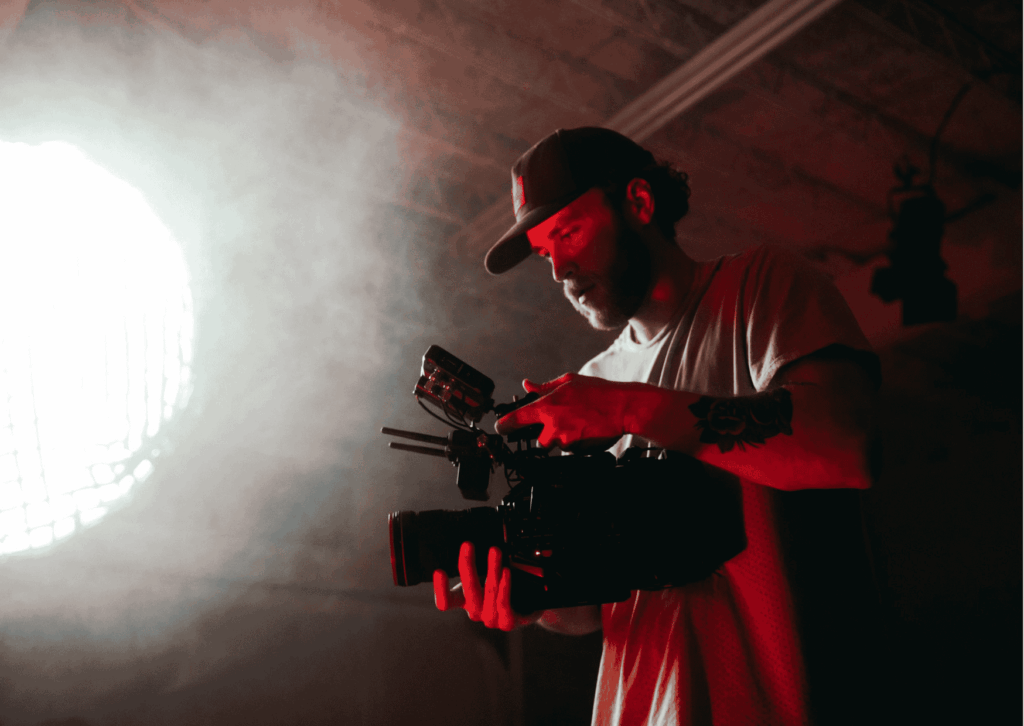
The Old Model Was Expensive, Slow, and Exhausting
For years, cinematic content belonged to people with resources.
If you wanted video that felt premium, you needed equipment, software, coordination, and patience. And if you wanted storytelling at scale, you needed a team.
That model worked, but it was also heavy.
A lot of creators did not fail because they lacked ideas. They failed because the process was too slow, too technical, and too draining. The biggest frustration was not just “I can’t make this.” It was “I am wasting my time trying to make this work.” That emotional pain shows up very clearly in creator research: time waste creates anger, and the inability to make professional-looking videos creates daily frustration.
That is the real problem AI is solving.
Not just speed.
Not just convenience.
But friction.
What a One-Person Movie Studio Actually Looks Like
A one-person movie studio is not just “a creator using AI.”
It is a whole workflow shift.
Instead of hiring a team, the creator becomes the director, producer, editor, and strategist all at once. AI helps generate the script, structure the scenes, maintain character consistency, and assemble a long-form cinematic experience with far less manual effort. Some platforms now focus specifically on story-driven, cinematic-quality videos with consistent characters and scenes, even in long formats of 30 minutes or more, without filming or editing required.
That changes the game.
Because now the bottleneck is no longer production capacity.
The bottleneck becomes imagination.
And that is a much better place to be.
Why Long-Form Storytelling Is Coming Back
A lot of people assumed the internet would only get shorter.
Short videos. Quick clips. Micro-attention. Instant everything.
But the trend is more interesting than that.
Long-form storytelling is making a real comeback. Documentary-style content, immersive narratives, and cinematic storytelling are pulling attention again because people still want depth, emotion, and a reason to stay engaged.
That matters a lot for solo creators.
Why?
Because long-form content gives you more room to build trust, authority, and income. It also gives your brand a more premium feel. A short clip can go viral. A cinematic story can build a business.
That is the sweet spot.
AI does not just help you create faster. It helps you create in formats that feel more substantial, more valuable, and more brand-worthy.
The Big Psychological Shift: From “Can I Do This?” to “Why Am I Still Doing It the Hard Way?”
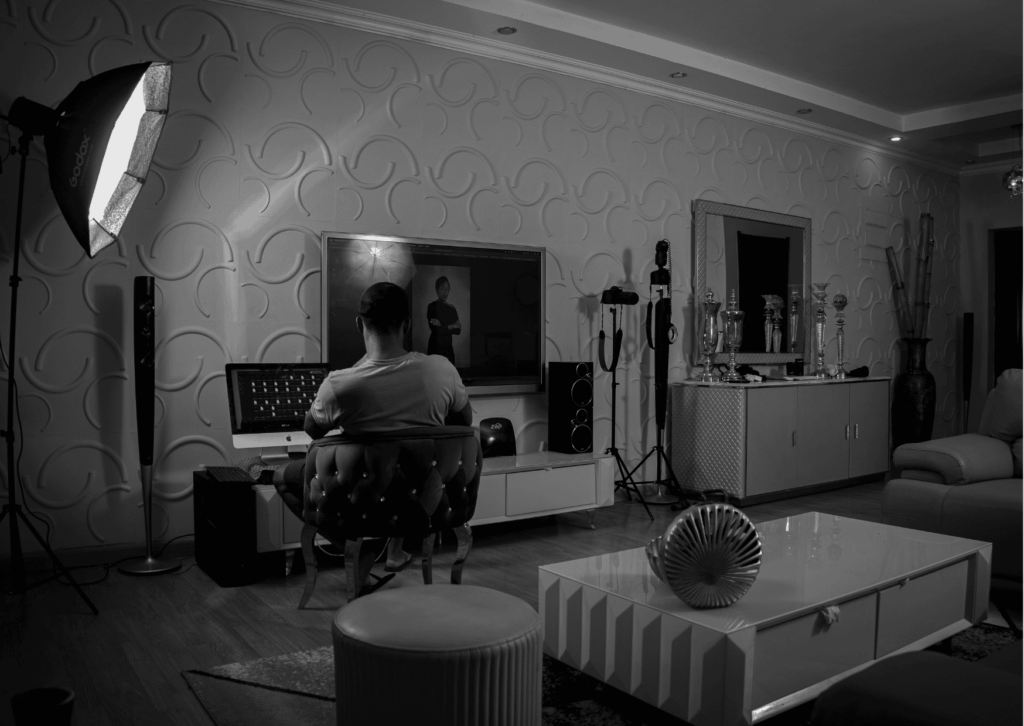
This is the part most people miss.
The rise of the one-person movie studio is not only about technology. It is about identity.
For a long time, creators asked:
- Do I have the right gear?
- Do I know enough editing?
- Can I make this look professional?
- Do I need to hire someone?
AI flips the question.
Now it becomes:
- Why am I manually doing tasks that software can assist with?
- Why am I spending hours on technical work when I could be creating?
- Why am I still thinking like a small creator when the tools now allow a bigger outcome?
That shift hits deep because it touches pride, fear, and ambition at the same time.
People secretly admire creators who automated their workflow and built a smoother system around their content process. They also strongly desire the financial freedom lifestyle that comes from content income, flexibility, and not being tied to a boss or fixed schedule.
So when someone sees a solo creator producing polished cinematic content from a laptop, they are not just seeing a workflow.
They are seeing a future self.
A Real-Life Scenario: The Creator in the Spare Bedroom
Picture this.
A creator in Austin, Nashville, Phoenix, or anywhere else in the U.S. has a simple idea for a video series.
Maybe it is a story-driven YouTube channel.
Maybe it is a faceless brand.
Maybe it is affiliate content.
Maybe it is educational content with a cinematic edge.
In the old world, that creator would need to spend days planning, filming, retakes, editing, and exporting. They would probably burn out before the first 10 videos.
In the new world, they can start with a concept, let AI help shape the structure, and use a tool designed to create long-form cinematic videos with reusable characters and scenes. They are no longer building everything by hand. They are orchestrating the work.
That is the difference between a hobby and a scalable system.
One feels exhausting.
The other feels like leverage.
Why This Model Is Perfect for the Modern Creator Economy
The creator economy is growing because more people want to earn online without being trapped in old structures.
They want income.
They want autonomy.
They want speed.
They want something that feels modern, not outdated.
The one-person movie studio fits that energy perfectly.
It supports creators who want to:
- build YouTube channels faster
- publish more often without burnout
- test content ideas without a large budget
- create cinematic stories that stand out
- turn knowledge, entertainment, or product reviews into premium-looking media
And that is important because attention is crowded.
In crowded markets, average content gets ignored.
But content that looks and feels cinematic gets remembered.
That is why tools that help solo creators produce long-form, polished videos are becoming so attractive. The product research behind these tools shows a clear fit with creators who want professional-looking videos without complicated editing and who are drawn to smooth automated workflows.
The Hidden Opportunity: Small Creators Can Now Look Big
This is where things get really interesting.
AI is not just helping creators do more.
It is helping them look bigger than they are.
That matters because perception changes everything online.
A solo creator who publishes polished storytelling content can look like a media company. A one-person brand can feel like a full studio. And in many niches, that visual credibility increases trust before the audience even reads the first sentence.
That means a creator can compete on appearance, polish, and consistency without needing a full staff.
That used to be reserved for companies with serious budgets.
Now it is available to anyone willing to learn the new workflow.
👉 Explore Cinemation Elite and see what’s possible.
Practical Tips for Building Your Own One-Person Movie Studio
If you want to build in this direction, start simple.
1. Pick one content format
Do not try to do everything at once.
Choose one:
- storytelling videos
- faceless YouTube explainers
- cinematic affiliate content
- documentary-style brand stories
- AI-driven product demos
2. Build around one recurring style
Consistency makes your content feel intentional.
Use the same tone, pacing, and visual identity so people know what your brand stands for.
3. Focus on long-form value
Because long-form storytelling is rising again, use that to your advantage. Build videos or blog content that hold attention by telling a real story, solving a real problem, or creating emotional momentum.
4. Remove manual steps wherever possible
Every step you automate gives you time back.
That is especially important because the target audience is highly sensitive to time waste and tired of technical struggle.
5. Think like a brand, not just a creator
A one-person movie studio is not just a production method.
It is a positioning strategy.
You are not merely “making videos.”
You are building a recognizable content machine.
Where the Opportunity Is Hiding
The beautiful part of this trend is that it creates room for both creativity and monetization.
Solo creators can use this model to build:
- content channels
- affiliate blogs
- faceless video businesses
- niche media brands
- digital products
- YouTube monetization systems
That is why this is more than a tech trend.
It is a business model shift.
AI video platforms that support long-form cinematic content, consistent characters, and no-filming/no-editing workflows are especially relevant for this new era. They are built for creators who want output without drowning in production complexity.
And once you understand that, the opportunity becomes obvious.
The people who win will not necessarily be the people with the biggest teams.
They will be the people who adapt fastest.
The Studio Is No Longer a Building
That is the real headline.
A studio used to mean rent, gear, staff, and overhead.
Now it can mean a laptop, a clear idea, and the right AI workflow.
The rise of the one-person movie studio is bigger than content creation. It is a new way of thinking about work, ownership, and creative freedom. It gives solo creators the chance to produce cinematic content, move faster, and build something that feels professional without needing a production army behind them.
And for the modern creator, that is not just convenient.
It is liberating.
Because once you stop thinking like someone who needs a team for everything, you start creating like someone who can build a media business from anywhere.
That is the future.
🚀 Ready to Create Cinematic Videos Without the Usual Complexity?
- YouTube Thumbnail Test: 3-Option Plan for Faceless Channels
- Meta Now Turns Static Images Into Video Ads: What to Know
- Brands Can Now Promote Your Pins: What Creators Should Know
- Adobe Firefly August 2026 Update: Video, C2PA & Credit Tiers
- I Stopped Putting Affiliate Links Directly on Pinterest — Here’s What I Do Instead
https://shorturl.fm/2Qyv0
thanks for your wishes and blessings